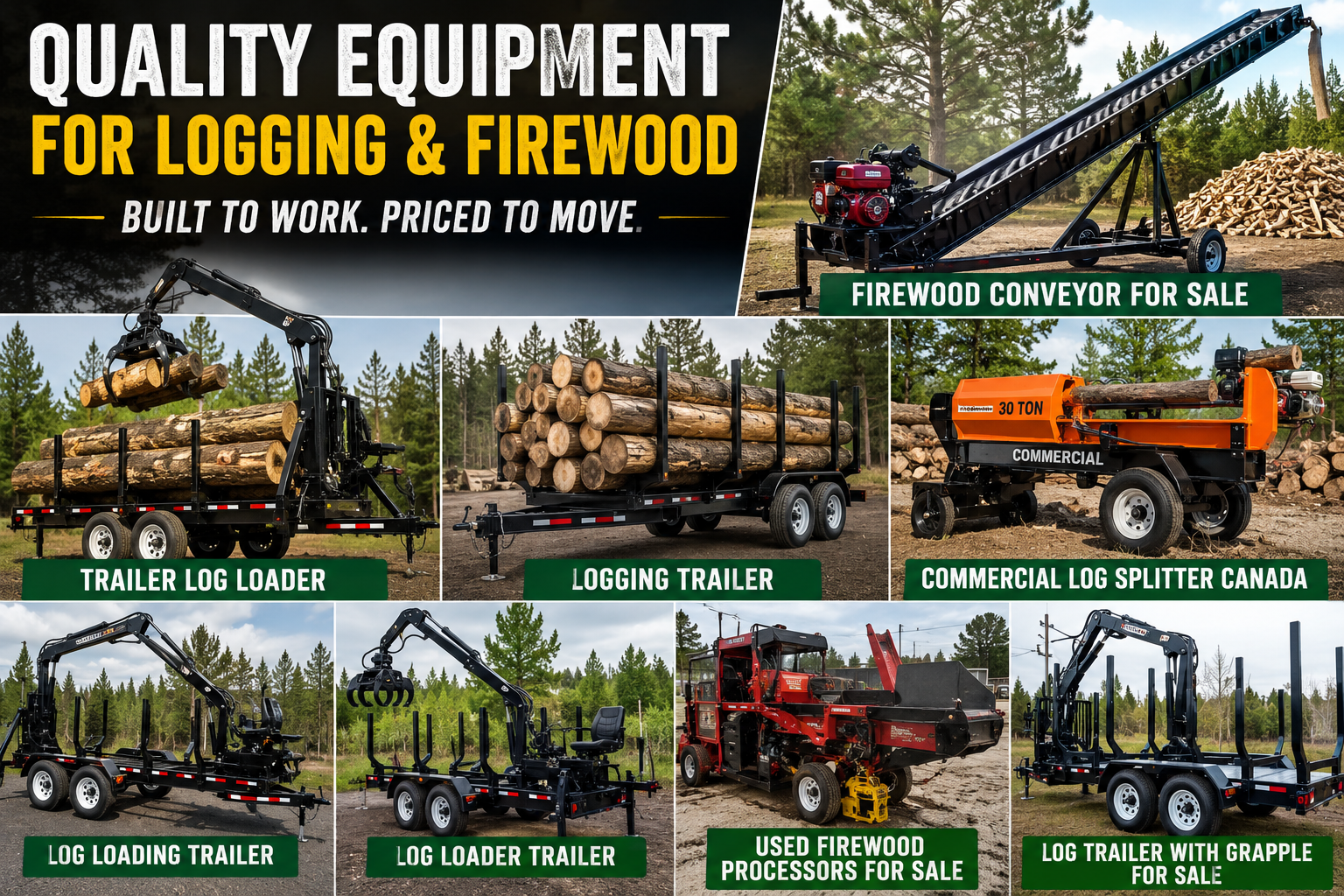
Transporting timber safely and efficiently requires dependable equipment built to handle demanding conditions. A logging trailer is an essential tool for moving logs from forests, woodlots, and rural properties to storage or processing areas. Whether you manage occasional hauling or regular timber transportation, selecting the right trailer can improve productivity while reducing unnecessary effort.
Understanding the features, advantages, and maintenance requirements of a logging trailer helps you make an informed purchasing decision that supports long-term performance.
Why a Logging Trailer Is Important
A logging trailer is specifically designed to carry heavy logs while maintaining stability on uneven terrain. Unlike general-purpose trailers, these models are built with reinforced frames and specialized support systems that improve load security.
Using the proper trailer provides several advantages:
- Safer log transportation
- Increased hauling capacity
- Better load stability
- Improved workflow efficiency
- Reduced manual handling
These benefits make a logging trailer a valuable addition to forestry operations of all sizes.
Key Features to Consider
Choosing the right logging trailers involve comparing several important characteristics.
Trailer Capacity
One of the first factors to evaluate is weight capacity.
A trailer should comfortably handle your average load while maintaining safe towing conditions. Selecting a trailer that matches your hauling requirements helps improve both performance and longevity.
Strong Frame Construction
The frame forms the foundation of every logging trailer.
Look for designs that offer:
- Reinforced steel construction
- Durable cross members
- Reliable structural support
- Resistance to heavy loads
A strong frame contributes to dependable performance throughout demanding work seasons.
Adjustable Stakes
Trailer stakes help secure logs during transportation.
Adjustable stakes provide flexibility when carrying different log lengths and diameters, making the trailer more versatile for changing workloads.
Common Applications
A logging trailer serves many purposes across forestry and land management operations.
Popular applications include:
Timber Transportation
Moving harvested logs from cutting locations to storage yards remains one of the primary uses.
Firewood Operations
Many operators use a logging trailer to transport logs before cutting and splitting them into firewood.
Property Maintenance
Landowners often rely on logging trailers while clearing fallen trees or maintaining wooded properties.
The trailer’s versatility supports a wide range of outdoor projects.
Selecting the Right Size
Every operation has unique transportation needs.
Before purchasing a logging trailer, consider several factors.
Average Log Length
Longer logs require larger trailers that provide sufficient support without creating unsafe overhang.
Daily Workload
Estimate:
- Number of trips
- Average load weight
- Hauling distance
- Seasonal production
Understanding these factors helps determine the most suitable trailer capacity.
Advantages of Proper Weight Distribution
Balanced loads improve towing performance and safety.
Properly loaded trailers offer:
- Better vehicle control
- Reduced tire wear
- Improved braking performance
- Greater stability
Distributing logs evenly across the trailer minimizes unnecessary stress on equipment.
Maintenance Tips
Routine maintenance keeps a logging trailer operating efficiently.
Inspect Tires
Check tires regularly for:
- Proper inflation
- Wear patterns
- Sidewall damage
- Secure wheel connections
Well-maintained tires contribute to safer transportation.
Examine Structural Components
Inspect the trailer before every use.
Look for:
- Loose fasteners
- Damaged welds
- Bent supports
- Rust development
Addressing minor issues early helps prevent larger repairs.
Lubricate Moving Parts
Keeping moving components properly lubricated reduces wear and promotes smoother operation.
Regular lubrication extends equipment life while maintaining dependable performance.
Safety Practices
Safe transportation begins with proper preparation.
When using a logging trailer, operators should:
- Secure every load carefully
- Avoid exceeding capacity
- Drive cautiously on rough terrain
- Inspect equipment before travel
Consistent safety practices reduce accidents while protecting valuable equipment.
Improving Productivity
A well-organized workflow maximizes the benefits of a logging trailer.
Simple improvements include:
- Planning efficient hauling routes
- Organizing loading areas
- Scheduling preventive maintenance
- Matching trailer size to production needs
These strategies help increase efficiency without adding unnecessary complexity.
Long-Term Value
Investing in a quality logging trailer supports years of reliable service when maintained properly.
Durable construction, thoughtful operation, and regular inspections all contribute to lower maintenance costs and improved productivity over time.
Conclusion
A dependable logging trailer makes transporting timber safer, faster, and more efficient. By selecting the right capacity, maintaining balanced loads, and following regular maintenance routines, operators can improve productivity while extending equipment life. Whether used for forestry work, firewood production, or property management, the right logging trailer becomes an essential part of a successful wood-handling operation.