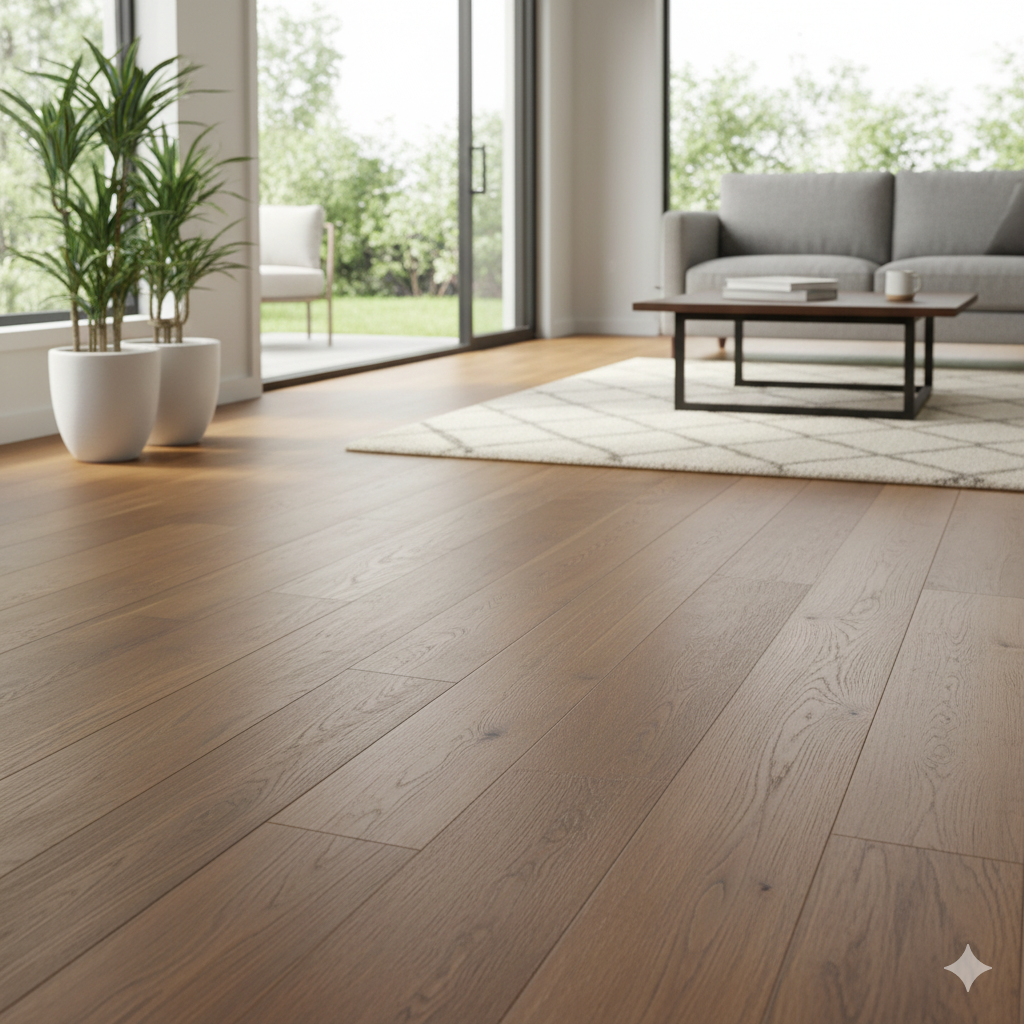
A successful canadian hardwood flooring installation can completely transform the appearance and feel of a home. Hardwood flooring is admired for its natural beauty, durability, and timeless appeal, making it one of the most popular flooring choices for homeowners. However, achieving the best results requires careful preparation, proper installation techniques, and ongoing maintenance.
Whether you are upgrading one room or renovating your entire home, understanding the process of canadian hardwood flooring installation helps ensure a floor that remains attractive for decades. From selecting the right hardwood to preparing the subfloor and maintaining the finished surface, every stage contributes to long-lasting performance.
This guide covers practical tips and important considerations for anyone planning canadian hardwood flooring installation.
Why Hardwood Flooring Remains Popular
Hardwood flooring continues to be a preferred option because it combines elegance with exceptional durability.
Key Benefits
- Timeless natural appearance
- Long service life
- Easy daily maintenance
- Compatible with many interior styles
- Can often be refinished to restore its original beauty
These advantages make canadian hardwood flooring installation a valuable investment for homeowners looking for lasting quality.
Planning Before Installation
Proper planning is one of the most important parts of canadian hardwood flooring installation.
Measure the Space
Accurate measurements help estimate the amount of flooring required while reducing unnecessary waste.
Prepare the Subfloor
The subfloor should be clean, level, dry, and structurally sound before installation begins.
Allow Flooring to Acclimate
Hardwood should adjust to indoor humidity and temperature before installation to reduce future expansion and contraction.
Careful preparation helps ensure a smoother canadian hardwood flooring installation process.
Choosing the Right Hardwood
Different hardwood species offer unique characteristics.
Grain Patterns
Natural grain patterns contribute to the overall appearance of the room.
Color Options
Light, medium, and dark wood tones suit different decorating styles.
Durability
Some hardwood species perform better in high-traffic areas than others.
Selecting the appropriate material is an important step in canadian hardwood flooring installation.
Installation Methods
Several installation techniques are commonly used depending on the flooring type.
Nail-Down Method
Frequently used for solid hardwood installed over wooden subfloors.
Glue-Down Method
Suitable for engineered hardwood installed on approved surfaces.
Floating Installation
Floating floors connect securely without being permanently attached to the subfloor.
The correct installation method improves the overall success of canadian hardwood flooring installation.
Installation Best Practices
Begin with a Straight Starting Line
The first row determines the alignment of the remaining boards.
Leave Expansion Gaps
Wood naturally expands and contracts with seasonal humidity changes.
Stagger End Joints
Randomized joints improve both appearance and structural stability.
Inspect Boards During Installation
Checking boards before installation helps maintain a consistent finish.
These practices contribute to professional-quality canadian hardwood flooring installation.
Avoiding Common Mistakes
Many flooring problems result from avoidable errors.
Installing Over Moisture Problems
Moisture can lead to warping, swelling, or separation.
Skipping Acclimation
Failing to acclimate hardwood increases the risk of movement after installation.
Uneven Subfloors
Poor subfloor preparation may cause squeaks or uneven flooring.
Avoiding these issues helps protect your investment in canadian hardwood flooring installation.
Caring for Hardwood Floors
Routine maintenance keeps hardwood looking its best.
Sweep Frequently
Removing dust and grit helps prevent surface scratches.
Clean Spills Quickly
Prompt cleanup reduces the chance of moisture damage.
Use Protective Furniture Pads
Furniture pads minimize dents and scratches.
Maintain Indoor Humidity
Stable humidity levels help preserve hardwood flooring.
Consistent care extends the life of canadian hardwood flooring installation.
Long-Term Value
Hardwood flooring remains one of the most durable residential flooring choices available.
Its ability to maintain its appearance while adapting to changing interior styles makes it a smart long-term investment. Proper canadian hardwood flooring installation ensures homeowners enjoy beautiful flooring that continues adding value for many years.
Conclusion
Planning and precision are essential for successful canadian hardwood flooring installation. Preparing the subfloor, selecting quality hardwood, using appropriate installation methods, and following recommended maintenance practices all contribute to outstanding long-term results.
Whether renovating a single room or an entire home, investing time in understanding canadian hardwood flooring installation helps create beautiful, durable floors that provide comfort, elegance, and dependable performance for decades.