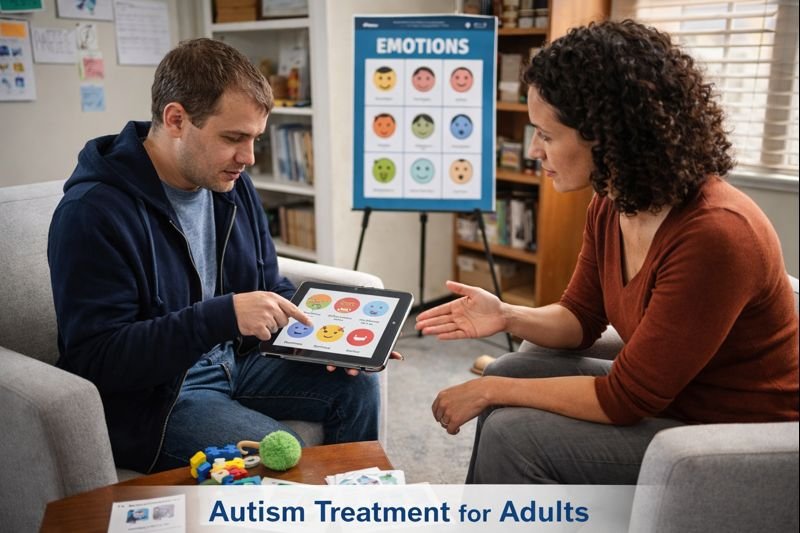
Transitioning into adulthood brings exciting opportunities as well as new responsibilities. For individuals on the autism spectrum, this stage of life often includes learning practical skills, preparing for employment, pursuing education, and becoming more independent. Programs for young adults with autism are designed to support these goals by providing structured learning, personalized guidance, and opportunities for personal growth.
Every individual has unique strengths, interests, and aspirations. The right programs focus on developing confidence while helping participants navigate everyday challenges at their own pace. With consistent support and practical experiences, young adults can build fulfilling and independent lives.
Why Transition Programs Are Important
Leaving school and entering adulthood can feel overwhelming. New expectations often require greater independence, stronger communication skills, and effective problem-solving abilities.
Quality programs for young adults with autism help bridge this transition by teaching valuable life skills while encouraging self-confidence and community participation.
Benefits of Structured Support
Participating in well-designed programs can improve several areas of daily life, including:
- Independent living skills
- Communication and social interaction
- Employment readiness
- Time management
- Emotional well-being
These improvements create a strong foundation for long-term success.
Developing Independent Living Skills
Independence is built through consistent practice and gradual learning rather than immediate change.
Household Responsibilities
Learning how to cook simple meals, clean living spaces, do laundry, and organize personal belongings helps young adults manage everyday life with greater confidence.
Financial Management
Understanding budgeting, saving, and responsible spending encourages financial independence and better decision-making.
Personal Organization
Using calendars, planners, reminders, and checklists makes it easier to stay organized and complete daily tasks.
Many programs for young adults with autism prioritize these practical skills because they prepare participants for greater independence.
Building Communication and Social Skills
Strong communication supports success in education, employment, and relationships. While social situations may feel challenging, structured practice helps individuals gain confidence over time.
Conversation Skills
Learning how to begin conversations, maintain discussions, and actively listen improves everyday interactions.
Understanding Social Situations
Recognizing body language, respecting personal boundaries, and interpreting social cues help individuals navigate different environments more comfortably.
Group Activities
Participating in shared activities encourages teamwork, cooperation, and friendship development.
These experiences allow programs for young adults with autism to create safe environments where participants can practice real-life communication skills.
Employment Preparation
Meaningful employment provides purpose, financial stability, and opportunities for personal development.
Resume Building
Young adults learn how to organize their education, experience, and personal strengths into professional resumes.
Interview Preparation
Practicing common interview questions helps reduce anxiety while improving confidence during job applications.
Workplace Skills
Employment preparation often includes:
- Professional communication
- Time management
- Teamwork
- Task organization
- Problem-solving
Many programs for young adults with autism focus on these skills to increase long-term employment success.
Continuing Education and Lifelong Learning
Education does not end after high school. Many young adults continue developing new skills through vocational training, higher education, or specialized learning opportunities.
Academic Support
Programs may help participants improve study habits, organization, and classroom communication.
Skill Development
Learning practical abilities such as computer skills, creative arts, or technical training expands future opportunities.
By encouraging continuous learning, programs for young adults with autism support both personal and professional growth.
Emotional Health and Self-Confidence
Mental and emotional well-being are essential parts of a successful transition into adulthood.
Managing Stress
Learning relaxation techniques, maintaining routines, and recognizing personal stress triggers can improve emotional regulation.
Building Self-Advocacy
Young adults benefit from understanding their strengths, communicating their needs, and making informed decisions about their future.
Celebrating Progress
Recognizing small achievements builds motivation and encourages continued growth.
Supportive programs for young adults with autism emphasize personal progress rather than comparison with others.
Family and Community Support
Families remain valuable sources of encouragement during the transition into adulthood.
Helpful strategies include:
Encouraging Independence
Allow young adults to make decisions and complete responsibilities while offering guidance when necessary.
Maintaining Consistency
Predictable routines help reduce uncertainty and create stability.
Promoting Community Participation
Volunteer opportunities, recreational activities, and local events encourage social interaction while building confidence.
Family involvement often strengthens the positive outcomes of programs for young adults with autism by reinforcing skills learned through structured activities.
Choosing the Right Program
Every young adult has different goals, making it important to select programs that align with personal interests and future plans.
When evaluating options, consider:
- Individual strengths and challenges
- Personal interests and career goals
- Opportunities for practical learning
- Social and communication support
- Long-term independence planning
The best programs for young adults with autism provide flexible, individualized support that adapts as participants grow and develop.
Conclusion
The journey into adulthood is different for everyone, but the right support can make each step more manageable and rewarding. Programs for young adults with autism help individuals develop practical life skills, strengthen communication, prepare for employment, and build confidence for greater independence.
By focusing on individual strengths, encouraging lifelong learning, and promoting meaningful community participation, these programs empower young adults to create successful, fulfilling futures. With patience, consistent guidance, and personalized support, programs for young adults with autism provide valuable pathways toward independence, confidence, and lasting personal achievement.