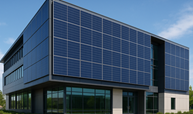
The exterior of a building is more than just its visual identity. It serves as the first line of defense against weather, contributes to energy efficiency, and influences long-term durability. As modern architecture continues to evolve, facade panels exteriors have become an essential element in creating structures that are both attractive and high-performing. These exterior panel systems combine aesthetics with functionality, making them a preferred choice for residential, commercial, and institutional projects.
Today’s architects and designers seek materials that deliver lasting performance while allowing greater creative freedom. Facade panels exteriors meet these expectations by offering versatile design options, improved insulation, and enhanced protection against environmental conditions.
What Are Facade Panels Exteriors?
Facade panels are exterior cladding systems installed on the outer walls of a building. They create a protective envelope that shields the structure from rain, wind, sunlight, and temperature fluctuations while improving its overall appearance.
Unlike traditional exterior finishes, facade panels exteriors are available in a wide range of textures, colors, finishes, and installation systems. They can be used to create contemporary designs, restore existing buildings, or enhance the visual appeal of new developments.
Primary Functions
The main purposes of facade panel systems include:
- Protecting the building envelope
- Improving thermal performance
- Enhancing architectural aesthetics
- Increasing weather resistance
- Supporting long-term durability
These benefits make facade panels exteriors an important component of sustainable building design.
Benefits of Facade Panels Exteriors
Modern cladding systems offer numerous advantages beyond appearance.
Improved Weather Protection
Exterior panels create a durable barrier against rain, moisture, wind, and harsh sunlight. This added layer helps preserve the structural integrity of the building over time.
Enhanced Energy Efficiency
Many facade panels exteriors contribute to better insulation by reducing heat transfer between indoor and outdoor environments. This helps maintain comfortable interior temperatures throughout the year.
Design Flexibility
Architects have greater creative freedom when using exterior panels. Various sizes, textures, and finishes allow buildings to achieve unique and visually appealing designs.
Low Maintenance
High-quality exterior panel systems are designed for long-term performance with minimal upkeep, making them a practical solution for many types of buildings.
Common Applications
The versatility of facade panels exteriors makes them suitable for a wide variety of construction projects.
Commercial Buildings
Office complexes, retail centers, and corporate buildings often use exterior panels to create modern, professional appearances while improving energy performance.
Residential Developments
Apartment buildings and individual homes benefit from durable cladding systems that combine style with weather protection.
Educational Facilities
Schools and universities use facade panels to create attractive, low-maintenance buildings capable of withstanding daily use.
Healthcare Buildings
Hospitals and medical centers require durable exterior materials that perform reliably in different environmental conditions.
Public Infrastructure
Government buildings, transportation hubs, and civic structures frequently incorporate facade panels exteriors for both durability and architectural appeal.
Choosing the Right Facade Panel System
Selecting the appropriate exterior cladding depends on several important factors.
Climate Conditions
Local weather influences material performance. Exterior panels should withstand temperature variations, moisture, and prolonged sun exposure.
Building Design
The architectural style should guide the selection of textures, finishes, and panel layouts that complement the overall appearance.
Installation Requirements
Proper installation is essential to maximize the performance and lifespan of facade panels exteriors. Careful planning ensures structural stability and weather resistance.
Maintenance Expectations
Choosing durable materials with low maintenance requirements can reduce long-term upkeep while preserving the building’s appearance.
Sustainable Advantages
Sustainability has become a major priority in modern construction, and facade panels exteriors contribute in several meaningful ways.
Better Thermal Performance
Improved insulation reduces unnecessary energy loss, helping buildings operate more efficiently.
Longer Building Lifespan
Protecting the underlying structure from moisture and environmental damage extends the life of the building.
Reduced Material Replacement
Durable exterior panels require fewer repairs and replacements, minimizing construction waste over time.
Support for Green Building Practices
Energy-efficient building envelopes help reduce environmental impact while supporting responsible construction methods.
Future Trends in Facade Panels Exteriors
Technological advancements continue to improve exterior panel systems. Manufacturers are developing lighter materials, enhanced weather-resistant finishes, and innovative installation methods that increase both efficiency and design possibilities.
Modern buildings are increasingly incorporating ventilated façade systems, high-performance insulation, and advanced surface technologies to improve overall building performance. As sustainable architecture becomes more common, facade panels exteriors will continue to play an important role in shaping efficient and visually impressive structures.
Why Exterior Facade Panels Are Growing in Popularity
The increasing demand for attractive, durable, and energy-efficient buildings has made exterior cladding systems a preferred solution across many industries. Facade panels exteriors provide a balance of functionality and design flexibility, allowing architects to create distinctive buildings without sacrificing performance.
Their ability to protect structures, improve energy efficiency, and enhance curb appeal makes them an ideal choice for both new construction and renovation projects.
Conclusion
Modern buildings require exterior systems that deliver more than visual appeal. Facade panels exteriors offer a practical solution by combining architectural beauty, weather resistance, durability, and improved energy performance within a single building envelope.
Whether used in residential homes, commercial developments, educational institutions, or public infrastructure, facade panels exteriors help create structures that are efficient, resilient, and visually striking. As construction continues to embrace innovation and sustainability, exterior facade panel systems will remain a key element in designing buildings that perform well today and continue to do so for years to come.