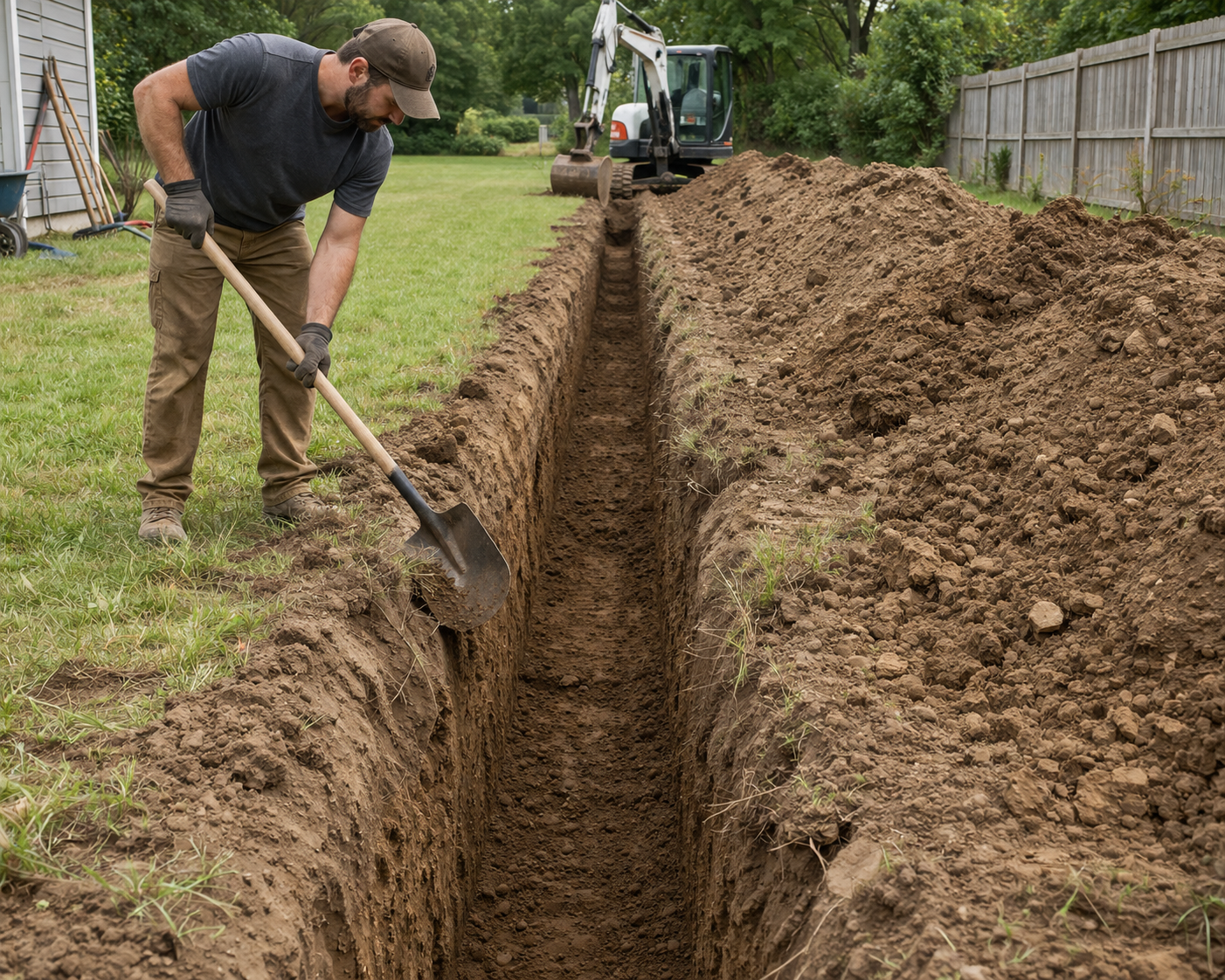
Knowing how to dig trench properly is one of the most important parts of preparing land for construction, landscaping, drainage, or utility installation. A well-executed trench provides a stable pathway for underground systems while reducing the risk of future repairs and structural issues. Whether the project is large or small, taking the time to dig trenches correctly improves efficiency and ensures lasting results.
Every excavation project starts with planning. Factors such as soil composition, trench dimensions, drainage patterns, and underground obstacles all influence the excavation process. Rushing through preparation often leads to avoidable setbacks, while careful planning helps projects stay on schedule.
This guide explains the key steps, common challenges, and proven techniques to dig trench safely and effectively.
Why It Is Important to Dig Trench Correctly
Every trench has a purpose, whether it supports utility installation, drainage improvements, irrigation systems, or construction foundations. Choosing to dig trench with precision helps create stable underground pathways and reduces the likelihood of future maintenance.
Some of the primary benefits include:
- Improved water management
- Strong support for underground infrastructure
- Reduced soil erosion
- Better project efficiency
- Increased safety during excavation
Proper preparation before you dig trench contributes to a smoother construction process and better long-term performance.
Planning Before You Dig Trench
Define the Project Scope
Before excavation begins, identify the exact purpose of the trench.
Ask important questions such as:
- What will be installed?
- How deep should the trench be?
- How wide should it remain?
- What type of soil is present?
- How will drainage affect the excavation?
Answering these questions allows workers to dig trench accurately while avoiding unnecessary excavation.
Inspect the Site
Every site presents unique conditions that influence excavation.
A site inspection should identify:
- Tree roots
- Existing underground utilities
- Sloped terrain
- Wet areas
- Surface obstacles
Evaluating these factors before you dig trench reduces unexpected delays during construction.
Selecting the Right Equipment
The equipment used depends on project size, soil conditions, and available space.
Manual Digging Tools
Small residential projects often require only basic hand tools.
Common options include:
- Shovels
- Trenching spades
- Digging bars
- Mattocks
These tools provide excellent precision when excavation space is limited.
Mechanical Equipment
Larger excavation projects benefit from specialized machinery.
Popular equipment includes:
- Mini excavators
- Chain trenchers
- Compact excavators
- Backhoes
The right equipment helps crews dig trench faster while maintaining consistent depth and width.
Essential Safety Measures
Safety should always remain a top priority during excavation.
Before starting work:
Wear Proper Protective Gear
Workers should use:
- Safety helmets
- Gloves
- Steel-toe boots
- High-visibility clothing
- Eye protection
Monitor Soil Stability
Loose or saturated soil increases the risk of trench wall collapse.
Maintain Safe Access
Workers should always have safe entry and exit points throughout the excavation process.
Watch Weather Conditions
Heavy rainfall can weaken trench walls and create hazardous working conditions.
Anyone planning to dig trench should understand that careful safety planning protects both workers and the surrounding property.
Common Challenges When You Dig Trench
Even experienced crews encounter obstacles during excavation.
Hard Soil
Compacted ground slows excavation and may require mechanical assistance.
Rocky Terrain
Large rocks increase excavation time and may require specialized equipment.
Groundwater
Water entering the trench reduces stability and complicates installation work.
Underground Utilities
Unexpected utility lines can interrupt excavation and require immediate adjustments.
Recognizing these challenges before attempting to dig trench helps minimize delays and improve overall efficiency.
Best Practices for Successful Trench Excavation
Mark the Excavation Path
Clearly defined trench lines improve accuracy and reduce unnecessary digging.
Check Measurements Frequently
Regularly confirming trench depth and width helps maintain project specifications.
Keep Excavated Soil Organized
Store removed soil away from trench edges to improve stability and create a safer work area.
Maintain Consistent Dimensions
Uniform trench width and depth make future installations easier and improve structural performance.
Applying these techniques every time you dig trench leads to cleaner, safer, and more reliable excavation results.
Environmental Considerations
Responsible excavation protects both the project site and the surrounding environment.
Helpful practices include:
- Prevent soil erosion.
- Preserve nearby vegetation.
- Manage excavated material responsibly.
- Minimize unnecessary land disturbance.
- Control water runoff during rainy periods.
These measures support sustainable excavation while maintaining project quality.
Maintaining Trench Performance After Excavation
Completing the excavation is only part of the process. Long-term performance depends on proper finishing and maintenance.
Recommendations include:
- Compact backfilled soil properly.
- Inspect drainage regularly.
- Repair erosion promptly.
- Monitor settling after heavy rainfall.
- Maintain surrounding landscaping.
These simple maintenance practices help preserve underground systems for years to come.
Conclusion
Learning how to dig trench effectively requires thoughtful planning, proper equipment, and a commitment to safe excavation practices. Every successful trench begins with understanding site conditions, selecting appropriate tools, and maintaining accurate measurements throughout the project.
Whether preparing land for utilities, drainage, or construction, taking the time to dig trench correctly results in stronger infrastructure, improved safety, and fewer future repairs. By following proven excavation techniques and maintaining responsible work practices, any trench project can deliver reliable, long-lasting results.