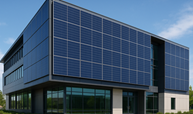
The demand for durable, lightweight, and visually appealing building materials has increased significantly over the past decade. Among the many options available, the aluminum composite panel has become a preferred choice for architects, contractors, and property developers. Its excellent combination of strength, flexibility, and modern aesthetics makes it suitable for a wide variety of construction and renovation projects.
An aluminum composite panel is valued for its ability to deliver both functional performance and attractive design. From commercial buildings to residential properties, this versatile material helps create durable structures while enhancing architectural appeal. Its adaptability to different environments and applications has made it an important component in contemporary construction.
This article explores the features, advantages, applications, and key considerations for choosing an aluminum composite panel.
What Is an Aluminum Composite Panel?
An aluminum composite panel consists of two aluminum sheets bonded to a lightweight core. This engineered structure combines the rigidity of aluminum with reduced weight, making the panel easier to transport, fabricate, and install.
The balanced construction provides excellent stability while maintaining a sleek and modern appearance. Because of its versatile design, an aluminum composite panel is widely used in both exterior and interior architectural applications.
Main Features
Some of the most important features of an aluminum composite panel include:
- Lightweight construction
- High mechanical strength
- Excellent weather resistance
- Smooth surface finish
- Corrosion resistance
- Easy fabrication
- Long-lasting durability
- Low maintenance requirements
These qualities contribute to the growing popularity of the aluminum composite panel across various construction sectors.
Advantages of Aluminum Composite Panel
An aluminum composite panel offers numerous benefits that support efficient building design and construction.
Lightweight Yet Strong
Despite its low weight, an aluminum composite panel provides excellent rigidity and structural performance. This reduces the overall load on buildings while maintaining dependable durability.
Attractive Appearance
Modern architectural designs often require clean lines and smooth finishes. An aluminum composite panel is available in various textures and finishes, allowing designers to achieve visually appealing results.
Easy Fabrication
One of the greatest strengths of an aluminum composite panel is its workability. It can be cut, bent, routed, drilled, and shaped with relative ease, making it suitable for customized architectural features.
Weather Resistance
Buildings are constantly exposed to changing environmental conditions. An aluminum composite panel performs well against sunlight, moisture, temperature variations, and corrosion, helping maintain its appearance over time.
Common Applications
The versatility of an aluminum composite panel makes it suitable for numerous building applications.
Exterior Cladding
One of the most common uses of an aluminum composite panel is exterior wall cladding. It provides an elegant appearance while protecting building surfaces from environmental exposure.
Interior Design
Inside commercial and residential buildings, an aluminum composite panel is frequently used for decorative walls, ceilings, partitions, and feature installations that require a modern finish.
Renovation Projects
Building upgrades often involve improving both appearance and performance. An aluminum composite panel allows existing structures to receive a contemporary exterior without significantly increasing structural weight.
Public Infrastructure
Transportation hubs, educational facilities, healthcare buildings, and office complexes commonly incorporate an aluminum composite panel because of its durability and design flexibility.
Factors to Consider Before Selection
Selecting the right aluminum composite panel requires careful evaluation of project requirements.
Material Quality
High-quality manufacturing ensures consistent thickness, strong bonding, and reliable long-term performance. Careful inspection helps maintain construction standards.
Surface Finish
Different finishes provide varying levels of durability and visual appeal. Selecting the appropriate finish depends on environmental exposure and design objectives.
Installation Requirements
Proper handling and installation play an important role in maximizing the lifespan of an aluminum composite panel. Following recommended installation practices helps maintain structural integrity.
Long-Term Performance
A quality aluminum composite panel should continue delivering strength, appearance, and weather resistance throughout its service life while requiring minimal maintenance.
Why the Aluminum Composite Panel Remains Popular
The continued popularity of the aluminum composite panel comes from its ability to satisfy both practical and aesthetic requirements. Construction professionals appreciate its durability, while architects value its design flexibility.
As modern construction increasingly emphasizes sustainable and efficient materials, the aluminum composite panel continues to provide reliable solutions for projects of various sizes.
Conclusion
The aluminum composite panel has established itself as one of the most versatile materials in contemporary architecture. Its lightweight construction, structural strength, weather resistance, and design flexibility make it suitable for a wide range of building applications.
Whether used for new construction or renovation, an aluminum composite panel delivers dependable performance while enhancing architectural appearance. By carefully considering project requirements, material quality, and installation practices, construction professionals can maximize the long-term value and effectiveness of this innovative building material.